Solar service guide
Relocating a Solar System When You Move House
If you are shifting homes, the solar setup may move with you, but only after the roof, wiring and equipment are checked properly.
Solar move support
Moving house? Check the solar system before you lift a single panel
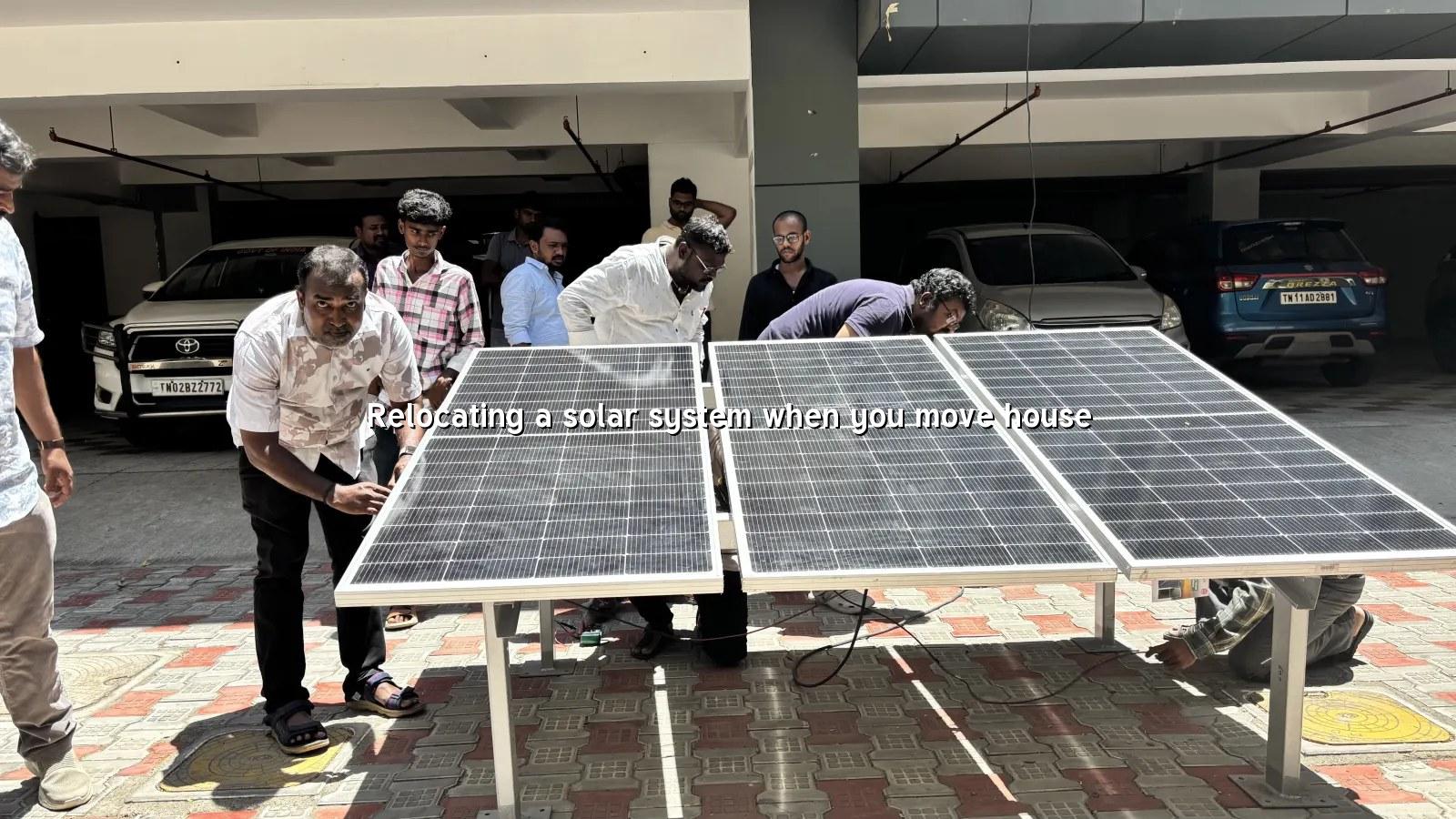
Relocating a solar system when you move house can work well, but only if the old system and the new roof are looked at together. The question is never just “can the panels come off?” It’s whether the whole setup still makes sense in a different place, with different roof lines, shade, cable runs and electrical details.
Around Kanyakumari District we see RCC flat roofs, sloped tiled roofs and sheet roofs, and each one changes the way a move should be handled. A system that sat neatly in Kottar may need a different mounting layout in Vadasery, while a coastal roof near Colachel can bring salt wear into the picture. If you rush the move, you usually pay for it later in extra wiring work, rechecking, or a system that simply doesn’t sit right on the new house.
Start with the roof
What has to be checked before a solar shift begins
A relocation should start with the new house, not the old one. We look at roof strength, available space, shade, access for installation work and the path the cables will take once the system is back in place. That first look usually tells us whether the old hardware can be reused as-is, needs some changes, or should be replaced in parts.
Roof type can change the whole design
A mounting frame that worked on an RCC flat roof in Kottar may not suit a sloped tiled roof in Suchindram. Sheet roofs bring a different set of questions too, because the fixing points and load spread matter more when the roof can flex. We check whether the existing structure can carry the panels safely at the new address, or whether a fresh frame makes more sense.
Shade is another thing people miss when they are in a hurry to shift houses. A water tank, a parapet wall or a tree can change the output more than you expect. Cable routing matters as well, because a neat, protected route is easier to maintain than a long run that has been forced into place.
Equipment condition decides what gets reused
If the system has already been in use for a while, we inspect the panels, inverter and wiring before anything is dismantled. Small things cause big headaches later: a tired connector, brittle insulation, a cracked gland, or a clamp that has already started to corrode. Those are the bits that are easy to overlook until the system is back on the roof and the problem shows up again.
In our experience, the second visit is where the truth comes out. The parts that looked fine from below can tell a different story once they are opened up and checked closely. We we can see that early, which helps you avoid moving a problem from one house to another.
- Check whether the inverter still suits the new array layout and cable distance.
- Confirm the roof can carry the mounting frame and panel load without flex or leakage risk.
- Inspect the panels for cracks, edge damage and dirt buildup before dismantling.
- Review earthing, surge protection and cable sealing for the new installation point.
- Plan the EB connection and documentation steps before the panels are moved.
- Start with a site survey. We compare the old system with the new roof, the roof pitch, shade pattern and available area.
- Record the present layout. Panel count, string arrangement, inverter location, cable lengths and mounting details are noted before anything comes down.
- Check the equipment condition. Panels, inverter, structure, connectors and earthing are inspected so damaged parts are identified early.
- Remove and transport carefully. The array is dismantled in a controlled way so frames, glass and wiring are not stressed while being handled.
- Reinstall and test at the new house. Once the new mounting and wiring are ready, the system is commissioned and checked for proper operation.
Local conditions
Why a move in Kanyakumari District needs a careful plan
The district gets strong sunshine through the year, which is great for solar, but the site conditions still change from house to house. During the south-west and north-east monsoon periods, drainage and cable sealing matter more than people think. If water can sit near a junction box or travel into a loose conduit, you end up with a problem that was easy to avoid before the move.
Wind is another real factor. Around Aralvaimozhi, where the wind is well known, we often think differently about mounting strength than we would for a calmer inland roof. The same logic applies when a house sits on an open street or on a roof that catches gusts all day. A relocation has to respect the new site, not just reuse old hardware because it is available.
The old house and the new house may not behave the same way
Moving a system from a home in Nagercoil to another in Thuckalay can change a lot more than the address. One roof may have clear open space while the other has a tank, parapet shadows or a stair headroom block. On a house in Marthandam, the challenge may be a longer cable run rather than the roof itself, and that affects both safety and appearance.
How the work is done
The practical steps behind relocating a solar system when you move house
Most people want a plain answer here: what happens first, what happens next, and how long does the disruption last. The sequence is usually steady. We inspect, document, remove, prepare the new roof, reinstall and then test the system again.
What the team does on site
First comes the contact and survey stage. After that we confirm the new roof details and note the equipment that can be reused. Then we remove the solar array, package the usable parts, and prepare the new mounting and cable path. Once everything is fixed at the new house, the system is tested and the connection points are checked again.
If the move is from a house in Kottar to a new place in Ramanputhur, the roof may be different but the EB process still needs the same kind of attention. For systems that were installed under a subsidy-linked process, we also help with the paperwork side. It can feel slow to some people, but the job is smoother when the documents are in order before the final reconnect.
What can change during reinstallation
Sometimes the panels stay in use but the structure changes because the new roof is not the same. Sometimes the inverter stays too, and sometimes a tired unit is better replaced than forced into a new arrangement. Wiring can also change if the new cable route is longer, or if the house needs more protection from weather exposure.
The same applies to earthing and protection parts. They are small in size, but they keep the system grounded in real weather. On a windy roof near the coast, we give extra attention to those items because the site will tell you quickly if they were overlooked. And yes, the little details matter more than most people expect.
Reference table
What often gets reused and what often gets changed
No two shifts are exactly alike, but this table gives you a practical sense of what usually carries over and what needs a closer check.
| Item | Can it usually be reused? | What we check | Common reason to replace or change |
|---|---|---|---|
| Solar panels | Often yes | Cracks, frame condition, junction box, output condition | Physical damage, age, poor matching with the new layout |
| Inverter | Sometimes | Condition, capacity fit, protection, cable distance | Old unit, mismatch with the new array, visible wear |
| Mounting structure | Depends on the roof | Roof type, wind loading, corrosion, fixing points | New roof shape, rust, weak support, altered panel layout |
| Cables and connectors | Only if in good condition | Insulation, sealing, connector fit, routing | Damage, brittleness, longer new cable run, weather exposure |
| Earthing and protection parts | Usually reviewed closely | Continuity, placement, condition, weather sealing | Old wear, changed site conditions, missing protection |
Things worth checking
Small checks that save you from bigger trouble later
People usually remember the panels and forget the pieces that hold the whole setup together. A relocation is the right time to look at the full system, not just the visible part on the roof. If you catch an issue early, the move is cleaner and the new house gets a proper start instead of a patched one.
- Keep photos of the old layout so the reinstall team can see what was there before dismantling.
- Make sure the new roof has safe access for the installation crew and lifting path.
- Ask whether the cable route at the new house will need extra protection from sun and rain.
- Check whether the old structure has rust, bent members or loose fasteners before reuse.
- If your old house was near the shore, inspect all exposed hardware carefully for salt wear.
- Plan the change before the final house move, not after you have already settled in.
If the new house is in a place like Boothapandi or Pechiparai, the site conditions may be very different from the previous one. That is why a fresh survey matters even when the old system looked fine. The roof and the electrical path decide the final design more than the old purchase ever did.
How JRS SunTech Energy can help
We handle the survey, the move and the checks after installation
We look after site surveys, removal planning, reinstallation and the electrical checks that follow a house move. If you are changing homes in Nagercoil or anywhere else in Kanyakumari District, we can inspect the old setup, tell you what is worth keeping and guide the new installation so it fits the roof properly. We also help with the EB and documentation side where it applies, and we stay available afterwards with one year of free service support after installation, with terms depending on the product, manufacturer warranty and installation.
Contact JRS SunTech Energy, Door No. 227, First Floor, Cape Road, St. Xavier's Church Junction, Kottar, Nagercoil, Kanyakumari District, Tamil Nadu - 629002. Phone: 9787775999. Email: jrssuntechenergy@gmail.com.
If you are moving soon
Send us the old address, the new address and a few photos of the roof and inverter area. That is usually enough for us to tell you the sensible next step. If the system can be shifted, we will say so. If it needs changes, we will say that too, plainly.
Frequently asked
Questions people ask about relocating a solar system when they move house
Yes, many systems can be moved, but the equipment has to be checked before anyone starts removing parts. We look at the panels, inverter, mounting, wiring and roof details so you know what can be reused and what needs attention.
Keep any papers from the original installation and note the roof type at both places. It also helps to arrange a visit at the new house early, so the roof space, shade, cable path and EB connection can be reviewed before dismantling starts.
Sometimes they will, sometimes the layout needs to change. A flat RCC roof, a sloped tiled roof and a sheet roof all need different fixing details, and the space at the new house decides whether the old arrangement still works.
Often yes, there are documentation steps after a move, especially if the system is linked to an EB connection under the local process. We help customers with the practical paperwork and explain what the utility side needs at the new address.
Then we pay extra attention to the frame, fasteners and cable sealing. In Kanyakumari District, wind and salt-laden air can change the mounting choice a lot, so a setup that was fine somewhere else may need a stronger support frame here.
Yes. We inspect and service systems even if they were set up elsewhere. If the old installer is not available, we can still assess the equipment and tell you what is safe to keep, what should be repaired and what should change.
Hurry up!Subsidy ends 31 March 2027 · 134 days left
Next step
Moving house and need the solar system shifted too?
Send us the old and new address, a few roof photos and the inverter details, and we will tell you the sensible next step.
- Your electricity requirement and 60-day EB bill
- Property type — home, shop, office, farm or institution
- Backup requirement and available roof space
Related: Solar Service & Maintenance · Solar Solutions · Contact
Free site survey · Kottar, Nagercoil